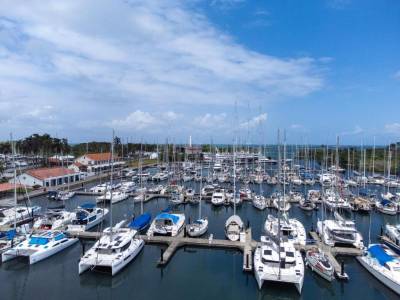
Panama Canal and Shelter Bay
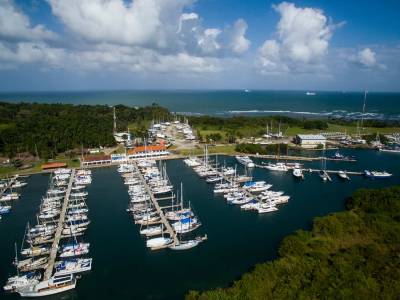
Panama Canal and Shelter Bay & Marina Facilities
Panama Canal and Anchoring at Shelter Bay & Marina.
Crossing the Panama Canal is the maritime equivalent of climbing Everest—a bucket list item and a marvel of engineering that cuts 8,000 miles off the journey around South America. For yachts and private vessels heading from the Caribbean Sea to the Pacific Ocean, this transit is both a thrilling adventure and a logistical puzzle.
Here is what you need to know about making the passage and your first port of call on the Atlantic side: the cruiser-friendly haven of Shelter Bay Marina.
Part 1: Conquering the Panama CanalThe transit from the Atlantic to the Pacific involves being lifted 85 feet up to the level of Gatun Lake and then lowered back down to sea level on the other side. For private yachts, the process is highly regulated and requires significant preparation.
The Logistics and Process
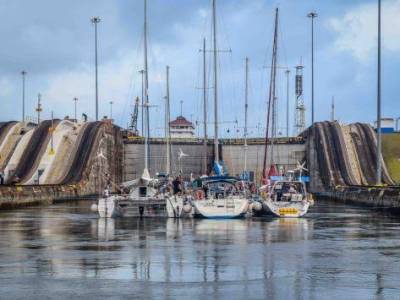
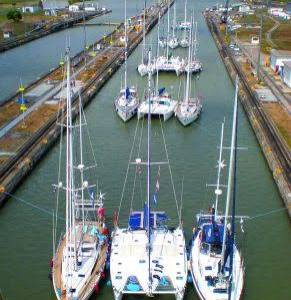
Preparation and Paperwork: You must apply and arrange the transit with the Panama Canal Authority (ACP), ideally 96 hours in advance. This involves submitting detailed paperwork and having your boat measured by an official (Admeasurer). Fees for small craft (under 65ft) start around $2,130 (plus a new Vessel Scheduling Fee of $500 as of Jan 2025), and must be paid in advance.The Advisor and Crew: You will not navigate alone. An ACP Advisor (often called a pilot, though officially they are advisors for small craft) will board your yacht to guide you. You are required to have a minimum of four line handlers (plus the captain) to manage the enormous lines thrown from the lock walls. Many cruisers hire local line handlers or organize a crew swap.The Lock Chambers:Upward Bound (Atlantic Side): You first enter the three-chamber Gatun Locks, which raise your vessel to the level of Gatun Lake.The Crossing: You then motor 21 miles across the vast, man-made Gatun Lake, often anchoring overnight if you are on a two-day transit.Downward Bound (Pacific Side): You descend through the single Pedro Miguel Lock and finally the two-chamber Miraflores Locks, which deliver you to the Pacific Ocean.How You Transit: Yachts typically transit in one of three ways: rafted up with one or two other small boats, alongside a larger vessel, or, less commonly, tied directly to the lock wall. Your advisor will instruct you on securing your vessel to the large cement walls using the provided lines.While the entire transit can be completed in 8-10 hours, it is often spread over two days to manage traffic, making for an unforgettable experience on one of the world's great waterways.
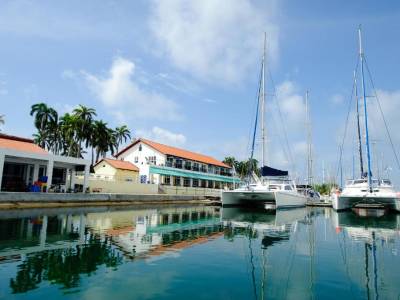
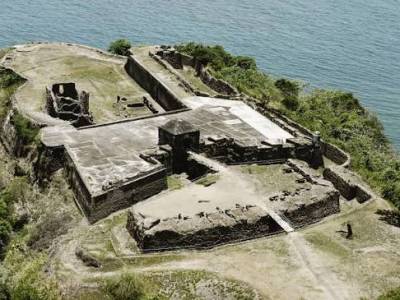
Part 2: Shelter Bay Marina – The Caribbean GatewayLocated at the historic Fort Sherman on the Caribbean side of the canal entrance, Shelter Bay Marina is the definitive staging and recovery point for yachts transiting the canal. It’s strategically positioned in a hurricane-free zone and offers full-service convenience.
Full-Service Facilities for Cruisers
Shelter Bay provides every service a cruiser could need before or after a major passage:
Boatyard and Haul-Out: A full-service yard, including a 100-ton Travelift capable of handling wide catamarans, a service center, and storage areas for boats on the hard.Fuel and Essentials: An on-site fuel dock (diesel/petrol), a well-stocked chandlery for parts, and a mini-market for quick provisioning.On-site Services: The main building houses the marina office, a Port Captain’s office, and Immigration/Customs for clearing in and out of Panama—a major time-saver.Accommodation: The Marina Hotel at Shelter Bay offers comfortable rooms for guests, or for captains and crew needing a break from their vessel while work is being done.Amenities: A newly remodeled swimming pool and jacuzzi, a gym, spacious shower/bathroom facilities, and a self-service laundry room.Beyond the Docks: Life and Leisure
Shelter Bay isn't just about boat work; it's a social hub and a gateway to nature and history.
Cruiser Community & Social Life: The marina is famous for its lively community. Cruisers frequently gather for social events, including weekly BBQs, happy hours, movie nights, and open mic nights at the Cruisers Palapa or the bar. This is a crucial place for exchanging information before and after a Pacific crossing.Nature and Wildlife: The marina is nestled within the beautiful San Lorenzo National Park. Organized nature hikes allow you to easily spot local wildlife, including howler monkeys, capuchin monkeys, tropical birds, and the famous three-toed sloths.Dining and Relaxation: Enjoy dining at The Dock Restaurant, which serves Caribbean-inspired cuisine, or grab a coffee and pastry at the mini-market.Transportation: A complimentary bus service runs to the nearby Cuatro Altos shopping center in Colón, providing access to large grocery stores and other provisioning necessities.Whether you're organizing your line-handlers, waiting for your canal slot, or simply recovering from an ocean passage, Shelter Bay Marina offers a secure and comprehensive base for your Panamanian adventure.
Image Gallery